
How Much Energy Is Your Home Losing
How Much Energy Your Chattanooga Home Is Losing — And How Blower Door Testing Can Save You Money
Every Tennessee homeowner knows how dramatic energy costs can be throughout the year. Winter heating and summer cooling bills can take a big bite out of your budget — and a lot of that energy loss isn’t from your thermostat settings. It’s from hidden air leaks and poor insulation that allow conditioned air to escape and unconditioned air to invade your home.
The good news? If you can locate and fix those inefficient spots, you can reduce energy waste, improve comfort, cut utility bills, and protect your home’s indoor air quality — starting with a blower door test from Energy Duct.
Why Air Leaks and Poor Insulation Matter
Your home’s envelope — walls, roof, basement, floors, windows, and doors — is supposed to keep conditioned air inside and outdoor air out. But in most real-world homes, that envelope isn’t perfect.
Here’s what research and experts tell us:
- Air leakage accounts for 25%–40% of the energy used for heating and cooling in a typical residence. That means up to two-fifths of what you pay to heat or cool your home is going straight out the cracks.
- EPA and ENERGY STAR estimates show homeowners can save about 15% on heating and cooling costs (and up to 11% on total energy costs) by air sealing and adding proper insulation.
- Duct systems alone — the pathways that carry your conditioned air — can lose 20%–30% of the air moving through them if they’re leaky or poorly connected.
These aren’t small numbers. If your annual energy bills are $2,000–$4,000, this is potentially hundreds of dollars wasted every year.
What Causes These Losses?
Common weak points in home insulation and air sealing include:
- Cracks and gaps around windows, doors, and penetrations
- Unsealed attic hatches and recessed light fixtures
- Poorly sealed ductwork
- Crawl spaces, rim joists, and attic bypasses
- Outdated or insufficient insulation levels
These leaks and gaps create invisible pathways for heated or cooled air to migrate out of your conditioned space — forcing your HVAC system to work harder.
How Energy Loss Looks in a Typical Home
Let’s break down the anatomy of energy loss:
Air Infiltration Through the Building Envelope
Air leakage isn’t just drafts around doors; it happens throughout the envelope wherever there’s a connection between conditioned space and the outside. This could include wall cavities, service penetrations, attic bypasses, and even electrical outlets.
Uncontrolled infiltration:
- escalates heating and cooling demand
- leads to temperature inconsistencies throughout the house
- increases moisture movement (which can harm structures)
- reduces comfort and indoor air quality
Duct Leakage
A typical duct system may waste 20%–30% of the air moving through it — meaning less comfort and higher costs even when the thermostat is working.
Heat Loss Through Insulation Gaps
If insulation isn’t installed properly or is absent in key areas like attics and crawl spaces, your home loses energy through conduction — heat flowing from warm to cold zones.
In total, inefficient sealing and insulation compound into lost energy, wasted money, and decreased comfort.
The True Cost of Air Leaks
To understand how much energy your home might be wasting:
In Heating and Cooling
A typical U.S. household spends about 50%–70% of its energy use on heating and cooling.* Leaky buildings dramatically inflate this number — meaning your heating or cooling system may be running far more than needed just to try to maintain comfort.
If air leaks account for:
- 25%–40% of heating and cooling energy use
- 15% overall savings potential with sealing and insulation
Then a home wasting $2,400 annually on energy might be losing $360–$960 just from leakage alone.
This makes sealing, insulating, and testing not just comfort upgrades — they’re financial decisions with measurable ROI.
(*Proportion varies by climate and household habits; data above is representative of U.S. residential estimates.)
What a Blower Door Test Is (and Isn’t)
A blower door test is the industry’s most reliable way to measure how airtight a home truly is.
Here’s how it works:
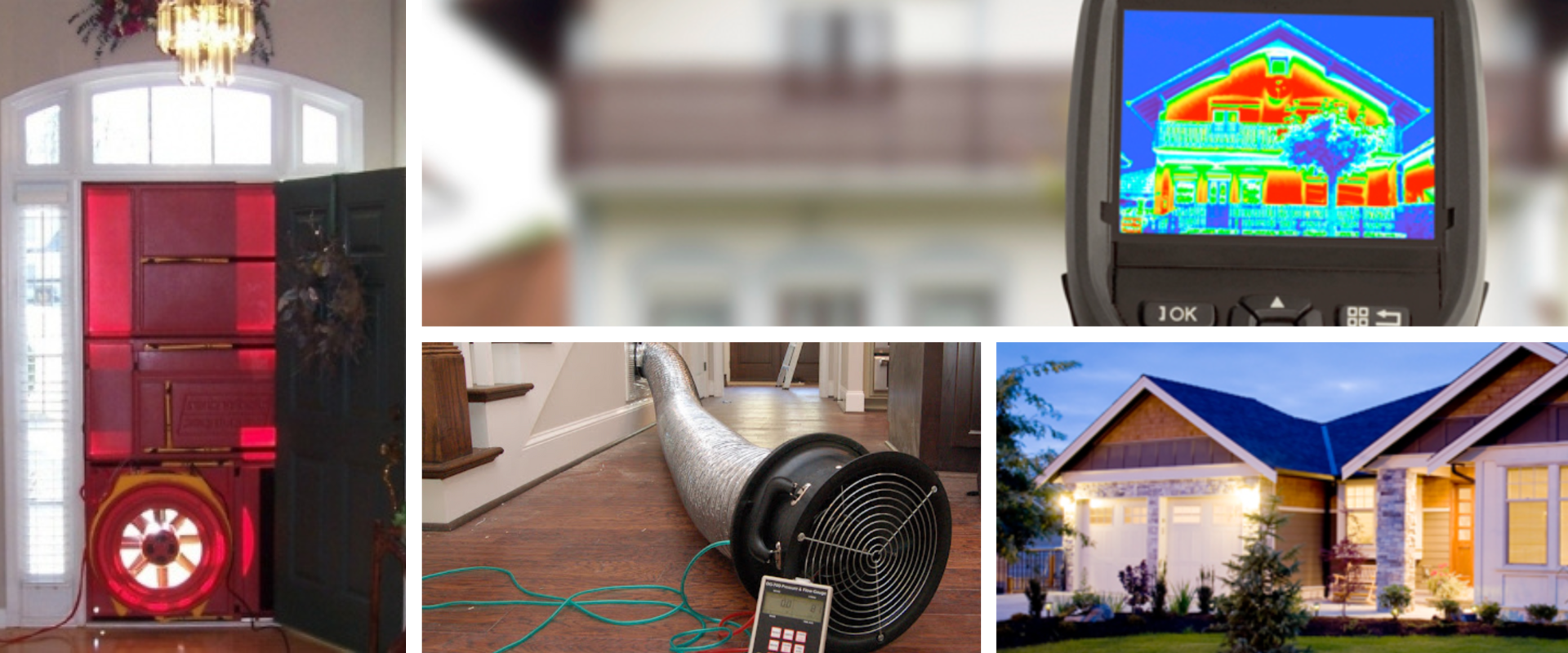
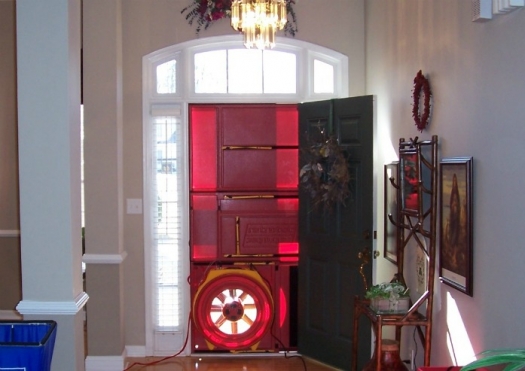
- A powerful calibrated fan is mounted in an exterior door.
- All other doors and windows are closed.
- The fan either depressurizes or pressurizes the home.
- Sensors measure the air movement required to maintain that pressure.
This process tells us how much air leakage exists and which areas of the home are contributing the most.
Without this test, sealing efforts can be guesswork — at best placing fixes in the wrong spot, and at worst missing major leaks entirely.
What Blower Door Testing Reveals
During a blower door test, technicians can:
- Identify hidden air leaks behind walls, attics, and crawl spaces
- Quantify your home’s air changes per hour (ACH50) — a baseline of airtightness
- Pinpoint specific leakage points (windows, doors, utility penetrations)
- Use IR imaging to make invisible problems visible
- Measure duct leakage through additional duct blaster testing
In many real cases, blower door testing shows that homes are far leakier than owners expect, even if they recently added insulation.
Why Chattanooga Homes Need Blower Door Testing
Chattanooga’s climate features both high cooling loads in summer and significant heating demand in winter. That means every bit of energy lost — hot air coming in or cool air escaping — costs money.
Homes with:
- Older construction
- Recent remodeling
- No formal energy audit
- Furnace or AC running frequently
- Uneven internal temperatures
are prime candidates for testing.
Energy Duct’s blower door and duct testing services help Chattanooga homeowners objectively measure energy loss and prioritize the most cost-effective solutions.
How Blower Door Testing Leads to a Customized Plan
After a blower door test, Energy Duct provides:
Detailed Reporting
You get a clear outline of:
- Measured air leakage
- Leak locations and severity
- Recommended fixes
- Estimated energy savings potential
- Priority of work based on cost and ROI
Actionable Solutions
The test results guide targeted improvements:
- Sealing attic bypasses
- Weatherstripping doors and windows
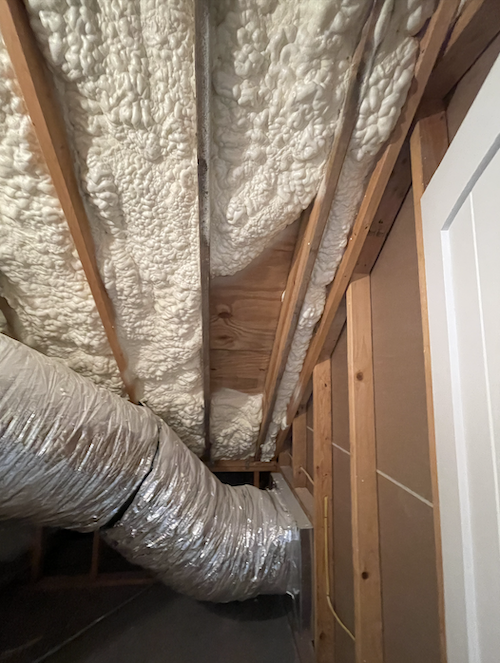
- Insulating attics, crawl spaces, and rim joists
- Sealing and insulating ducts
- Addressing hidden leakage around plumbing penetrations
This strategy saves time and money because you’re not guessing. You’re fixing the real problems, backed by actual data.
Real Savings You Can Expect
According to EPA and ENERGY STAR modeling, homeowners can:
- Save ~15% on heating and cooling costs by proper air sealing and insulation.
- Reduce comfort issues like drafts and uneven temperatures
- Lower HVAC runtime and prolong system lifespan
- Reduce lost duct air by up to 30% with duct sealing and proper testing.
Many contractors estimate blower door-guided sealing can approach 30% energy savings for heating and cooling in homes with significant leakage.
Even modest reductions in energy use can result in hundreds of dollars saved every year, and tens of thousands saved over the life of your home.
Beyond Energy Savings: Other Benefits
While saving money is often the primary motivator, blower door–guided improvements also:
Boost Comfort
A properly sealed home feels more consistent in temperature, with fewer cold drafts and hot spots.
Improve Indoor Air Quality
Controlling where air enters helps limit dust, allergens, and pollutants from creeping inside.
Extend HVAC Equipment Life
Less wasted airflow means your system doesn’t have to work as hard — reducing wear and tear.
Add Market Value
Energy-efficient homes and documented performance improvements appeal to buyers.
Why Hire a Professional Like Energy Duct
DIY air sealing can help, but without a blower door test, you’re aiming in the dark. Certified energy auditors:
- Know where to look for hidden leaks
- Use scientific measurement rather than guesswork
- Prioritize work that gives the best return
- Provide documentation you can use for future improvements
Energy Duct brings:
- Experienced technicians
- Calibrated blower door and duct blaster testing equipment
- Detailed reports with clear recommendations
- A plan tailored to your home’s specific needs
This isn’t just testing — it’s a roadmap to real energy savings.
Chattanooga Success Stories
Homeowners who schedule testing often see:
- Reduced monthly energy bills
- Increased comfort year-round
- Faster pay-back through targeted work
- Clear understanding of their home’s performance
Whether you live in a historic Chattanooga bungalow or a newer suburban build, there’s energy waste hiding in every home — and a blower door test is the best first step to find it.
What to Expect When You Book With Energy Duct
Schedule a Testing Appointment
Energy Duct works around your schedule.
Certified Technicians Conduct the Blower Door Test
They set up equipment and measure air leakage.
Receive a Detailed Report
You’ll understand where energy is being lost.
Get a Customized Plan
Fixes are prioritized based on impact and ROI.
Start Saving Money
Sealed homes are more efficient, comfortable, and cheaper to operate.
Take Control of Your Energy Bills
Energy loss from poor sealing and insulation isn’t inevitable — it’s measurable and fixable. A blower door test is the first step toward discovering exactly how your home performs and where your money is going.
If you want to stop wasting energy, enhance comfort, and save money every month, Energy Duct can help you:
✅ Identify energy loss
✅ Quantify it with testing
✅ Plan targeted upgrades
✅ Track your savings over time
Ready to Save?
Stop guessing where your home is losing energy. Schedule a blower door test with Energy Duct today and get a clear, data-driven plan to seal, insulate, and save.
Your next energy bill could be significantly lower — and your home a lot more comfortable — starting with one simple test.
Click Here To Schedule A Test